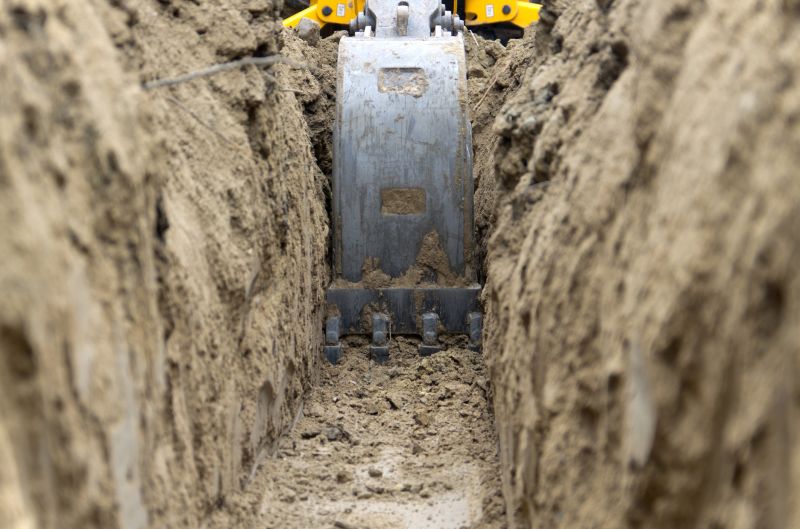
Backhoe Trenching in Atlanta, GA
Backhoe trenching services involve the use of heavy machinery to create narrow, precise trenches in the ground for various property projects. These services are commonly requested for installing underground utilities such as water lines, sewer pipes, electrical wiring, or drainage systems. Homeowners often seek trenching to prepare their yard for landscaping, irrigation systems, or foundation work, ensuring the trenches are dug accurately and efficiently to meet project specifications.
Before requesting backhoe trenching, property owners should consider the location and depth of the desired trenches, as well as any underground obstacles like existing pipes or roots. It’s also helpful to understand local regulations regarding utility installations and property lines. Clear communication about the project's scope and the intended use of the trenches can help ensure the work is completed smoothly and meets all necessary requirements.
Many property owners in Atlanta, GA look into Backhoe Trenching for repairs, replacements, upgrades, and appearance-related improvements.
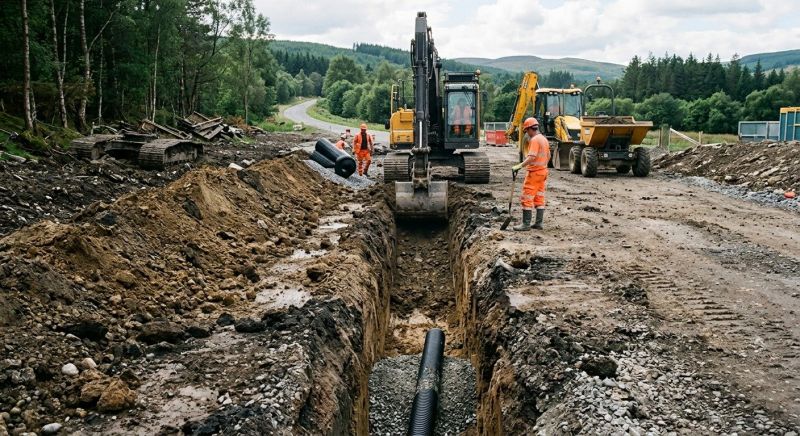
Trenching For Utility Lines
Backhoe trenching is essential for installing or repairing water, gas, and electrical lines on residential properties.
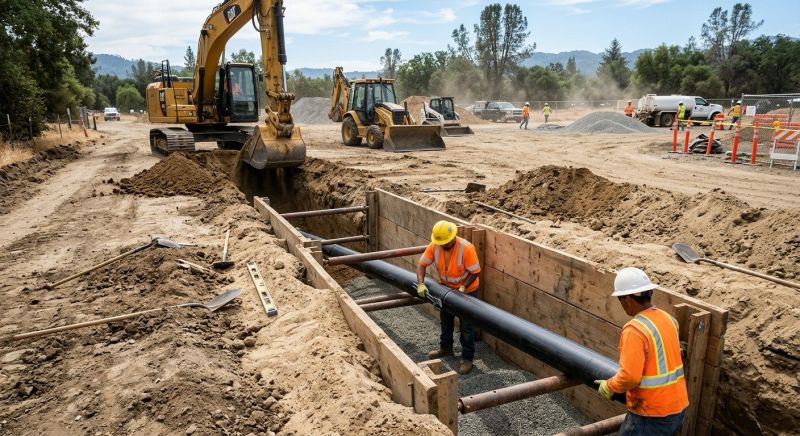
Drainage And Irrigation Systems
Creating trenches to lay drainage pipes or irrigation lines helps prevent water pooling and supports healthy landscaping.
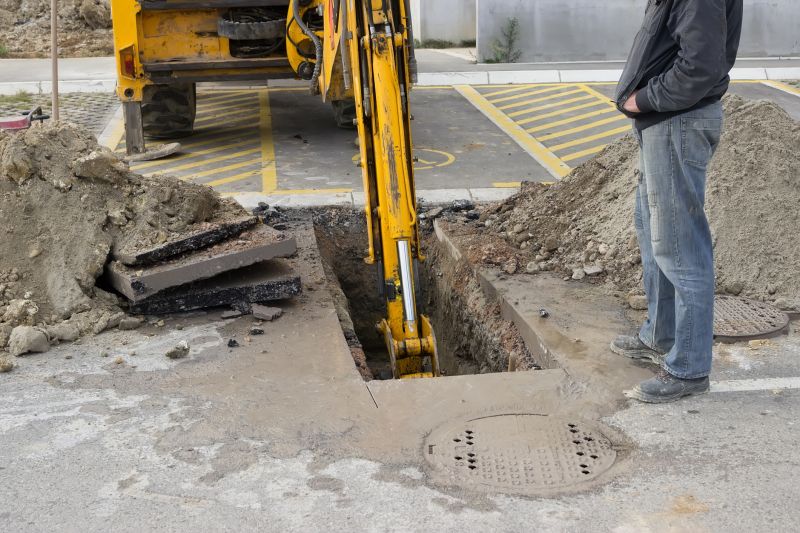
Foundation And Landscaping Projects
Backhoe trenching provides precise cuts for foundation footings or landscape features on homes in atlanta and nearby areas.
Backhoe Trenching in Atlanta, GA
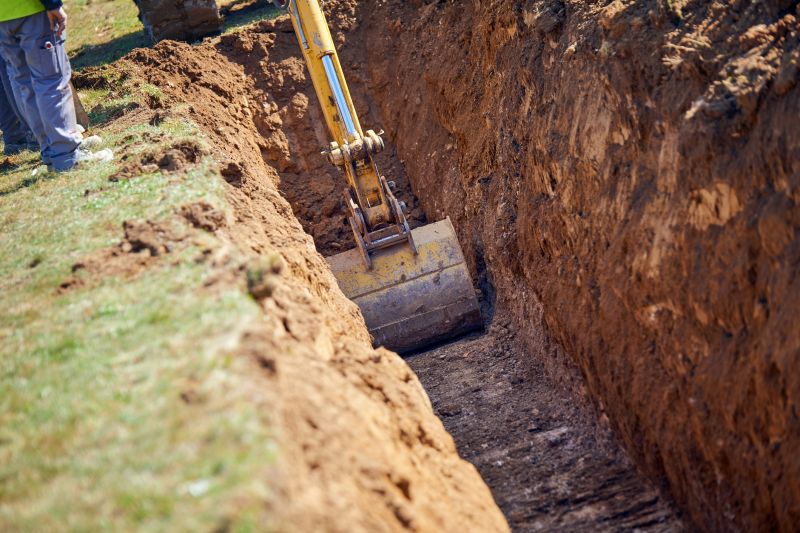
Backhoe trenching services involve the use of heavy machinery to create narrow, precise trenches in the ground for various property projects. These services are commonly requested for installing underground utilities such as water lines, sewer pipes, electrical wiring, or drainage systems. Homeowners often seek trenching to prepare their yard for landscaping, irrigation systems, or foundation work, ensuring the trenches are dug accurately and efficiently to meet project specifications.
Before requesting backhoe trenching, property owners should consider the location and depth of the desired trenches, as well as any underground obstacles like existing pipes or roots. It’s also helpful to understand local regulations regarding utility installations and property lines. Clear communication about the project's scope and the intended use of the trenches can help ensure the work is completed smoothly and meets all necessary requirements.
Many property owners in Atlanta, GA look into Backhoe Trenching for repairs, replacements, upgrades, and appearance-related improvements.
Common Backhoe Trenching Jobs
Drainage Solutions - trenches designed to improve water flow and prevent flooding around properties.
Foundation Repair - excavation work to address basement or foundation issues.
Utility Line Installation - trenching for the safe placement of water, gas, and electrical lines.
Landscape Drainage - creating channels to direct runoff away from lawns and gardens.
Sewer Line Replacement - removing and replacing damaged or aging sewer pipes underground.
Driveway and Pathway Construction - excavating for new or replacement driveways and walkways.
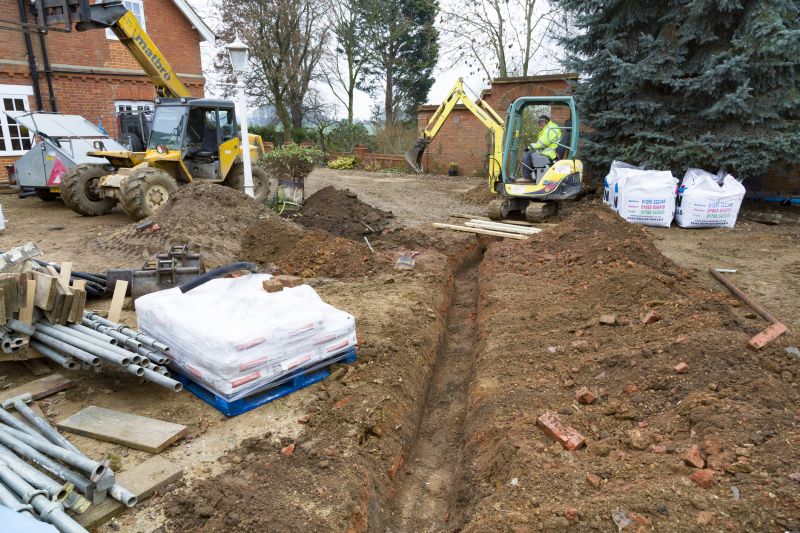
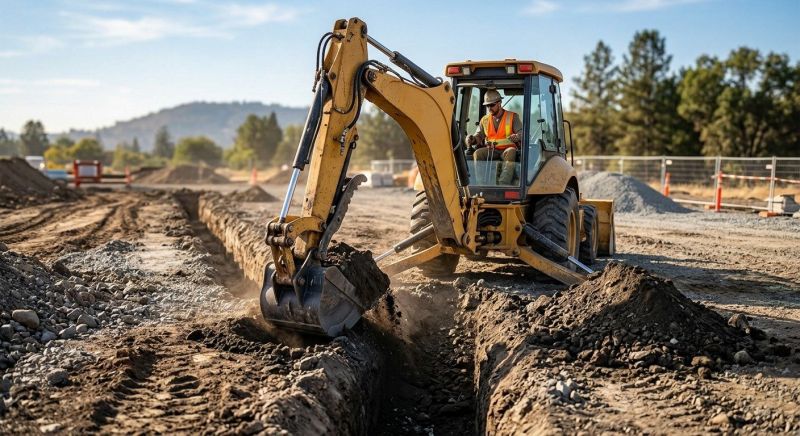
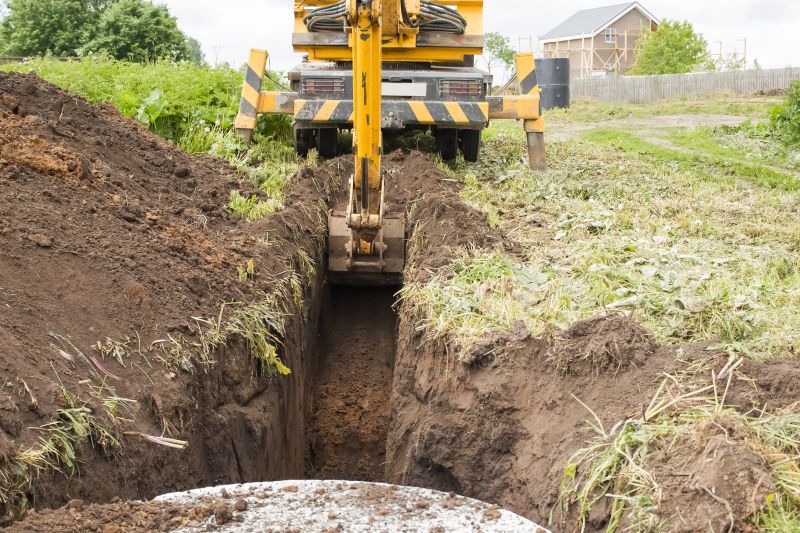
Backhoe Trenching Questions
What types of projects require backhoe trenching? Backhoe trenching is commonly used for installing utilities, drainage systems, irrigation lines, and foundation footings on residential or commercial properties.
Is backhoe trenching suitable for small or tight spaces? Yes, backhoes can operate in confined areas, making them ideal for projects with limited space on properties.
What should property owners consider before scheduling trenching? It's important to identify underground utilities and obtain any necessary permits before trenching begins.
How deep can a backhoe trench typically be? Backhoes can dig trenches generally up to 10 to 12 feet deep, depending on the equipment and project requirements.
Request Backhoe Trenching in Atlanta, GA
Use the quote form on this page to share the basics of your project and request more information for the type of work you need.