Get Electrical Trenching in Kitsap County, WA
Electrical trenching services for property owners in Kitsap County and nearby areas involve safely installing underground wiring for projects like new home wiring, outdoor lighting, or utility upgrades.
Electrical trenching is a fundamental step for property owners in Kitsap County, WA who are planning to install or upgrade electrical systems on their land. Whether preparing for new construction, extending existing wiring, or setting up outdoor power sources, proper trenching ensures that electrical lines are installed safely and efficiently. By exploring local contractor options, property owners can compare approaches and find experienced service providers capable of handling the specific needs of their projects, helping to ensure a smooth and reliable installation process.
Choosing the right local contractors for electrical trenching can make a significant difference in project planning and execution. Property owners often consider factors such as experience with local soil conditions, knowledge of regional codes, and the ability to coordinate with other construction work. Continuing to explore available options allows property owners to identify service providers who can deliver quality work tailored to the unique requirements of properties throughout Kitsap County, WA.
- Electrical trenching for new construction - needed when installing underground electrical lines for residential or commercial buildings in neighborhoods across Kitsap County.
- Utility line installation - required when connecting properties to municipal power grids or upgrading existing electrical infrastructure.
- Landscape wiring trenching - necessary for running electrical cables for outdoor lighting, irrigation systems, or security cameras in local communities.
- Repair and replacement trenching - needed when addressing damaged underground electrical lines or upgrading outdated wiring systems.
- Electrical conduit installation - used when establishing protected pathways for electrical wiring in new developments or renovation projects.
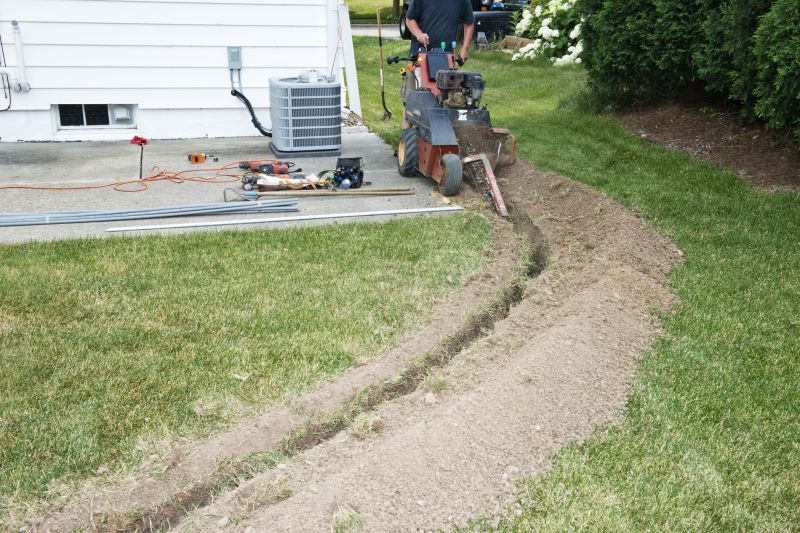
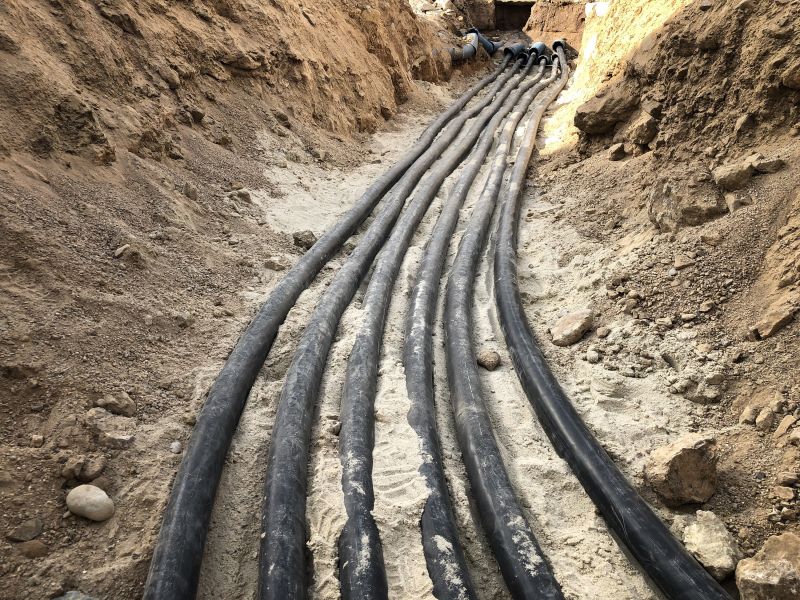
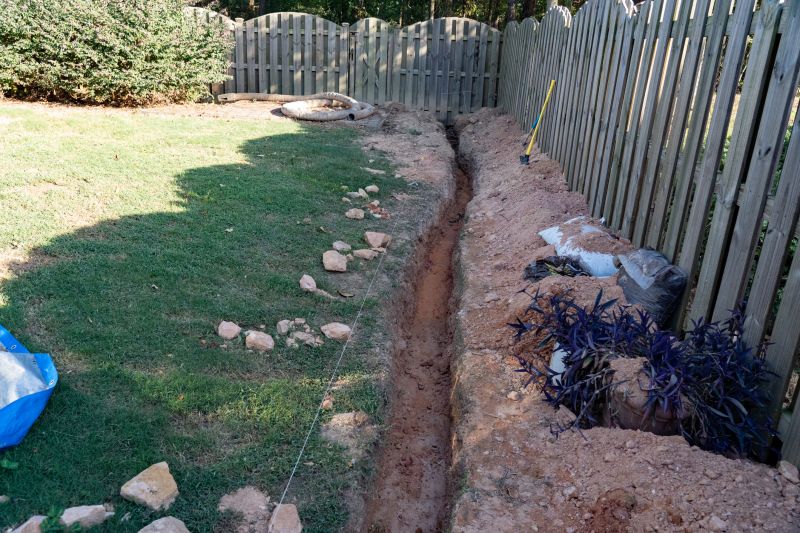
Electrical trenching services involve digging narrow, precise channels in the ground to lay electrical cables and wiring safely underground. This process typically requires specialized equipment to create trenches that are deep enough to protect the wiring from surface damage and environmental factors. The goal is to install electrical infrastructure efficiently while minimizing disruption to the property’s landscape. These services are essential for establishing new electrical connections, upgrading existing systems, or extending wiring to outbuildings, garages, or outdoor lighting setups.
This service helps solve common electrical installation challenges faced by property owners. For example, when adding a new outdoor lighting system, installing a generator, or running power to a detached garage or workshop, trenching provides a secure pathway for underground wiring. It also addresses issues related to safety and code compliance by ensuring that electrical cables are properly buried and protected from accidental damage. Proper trenching can prevent future problems such as exposed wiring, electrical faults, or the need for costly repairs caused by surface damage or weather exposure.
Properties that typically require electrical trenching include residential homes with extensive outdoor electrical needs, farms, or properties with large yards. Homeowners planning to add outdoor features like lighting, security systems, or hot tubs often need trenching services to run power safely underground. Commercial properties with outdoor electrical requirements, such as parking lot lighting or signage, also frequently utilize trenching to install wiring discreetly and securely. In rural or semi-rural areas, where underground electrical infrastructure is preferred over overhead lines, trenching becomes an essential part of electrical system upgrades or new installations.
Homeowners and property managers should consider electrical trenching when undertaking major electrical projects that involve running wiring across or beneath the ground. Whether building a new outdoor living space, installing a backup generator, or upgrading the electrical system to meet modern demands, professional trenching services from experienced local contractors can ensure the work is done safely and effectively. Contacting local service providers can help find the right solution for specific property needs, ensuring that electrical systems are installed properly and built to last.
The overview below groups typical Electrical Trenching projects into broad ranges so you can see how smaller, mid-sized, and larger jobs often compare in Kitsap County, WA.
In many markets, a large share of routine jobs stays in the lower and middle ranges, while only a smaller percentage of projects moves into the highest bands when the work is more complex or site conditions are harder than average.
Smaller Repairs - Typical costs for minor electrical trenching projects, such as running new wiring to a single outlet or appliance, generally range from $250-$600. Many routine jobs fall within this middle range, depending on the length and complexity of the trenching required.
Moderate Installations - Installing new circuits or upgrading existing wiring in a home can cost between $1,000 and $3,000. Larger, more involved projects tend to push costs into the higher end of this range, especially when additional permits or materials are needed.
Full System Replacement - Replacing an entire electrical trenching system for a residential property often ranges from $3,500 to $8,000. Fewer projects reach the highest tiers, which involve extensive trenching and complex installations.
Large-Scale Commercial Projects - Commercial or industrial trenching work can vary widely, with typical costs starting around $10,000 and exceeding $50,000 for complex, large-scale jobs. Many projects fall into the mid-range, with only the most extensive work reaching the upper cost tiers.
Actual totals will depend on details like access to the work area, the scope of the project, and the materials selected, so use these as general starting points rather than exact figures.
Underground Utility Installation - local contractors often handle the installation of underground electrical lines, requiring similar trenching, planning, and safety precautions as electrical trenching services.
Communication Cable Ducting - installing communication and data cables involves trenching and precise planning, making it a related project that requires similar skills and equipment.
Drainage and Sewer Line Excavation - these projects involve trenching for underground piping, sharing techniques and tools used in electrical trenching to ensure proper installation and safety.
Irrigation System Installation - trenching for irrigation lines involves careful planning and depth control, paralleling the skills needed for electrical trenching projects.
Foundation Excavation - excavation for building foundations requires precise trenching and site assessment, aligning with the planning and equipment used in electrical trenching.
HVAC Conduit Installation - running conduits for heating and cooling systems involves trenching and underground work similar to electrical trenching services.
When evaluating electrical trenching service providers, it is important to consider their experience with similar projects in the area. Homeowners should look for contractors who have a proven track record of handling trenching work comparable to the scope of their own project. An experienced professional will understand the unique requirements of local properties and regulations, helping to ensure the work is completed efficiently and effectively. Asking about past projects or seeking references can provide insight into a contractor’s familiarity with the type of trenching needed for residential electrical upgrades or installations.
Clear, written expectations are essential for a smooth working relationship. Homeowners should seek service providers who can provide detailed descriptions of the scope of work, including materials, methods, and any necessary permits or inspections. Having this information in writing helps prevent misunderstandings and ensures that both parties are aligned on the project’s goals. It’s also beneficial to confirm that the contractor’s approach aligns with the homeowner’s needs and preferences, fostering transparency and accountability throughout the process.
Reputable references and strong communication are key indicators of a dependable contractor. Homeowners should inquire about references from previous clients who had similar projects completed. Listening to their experiences can reveal the contractor’s professionalism, reliability, and quality of work. Good communication is equally important; service providers who are responsive, clear, and attentive to questions or concerns can make the process more straightforward and less stressful. While this site introduces homeowners to local options, it’s up to each homeowner to connect with service providers who demonstrate experience, clarity, and responsiveness to ensure a successful trenching project.
Property owners in Kitsap County, WA use Electrical Trenching services for practical projects around their homes and businesses. This guide focuses on everyday jobs and straightforward project options.
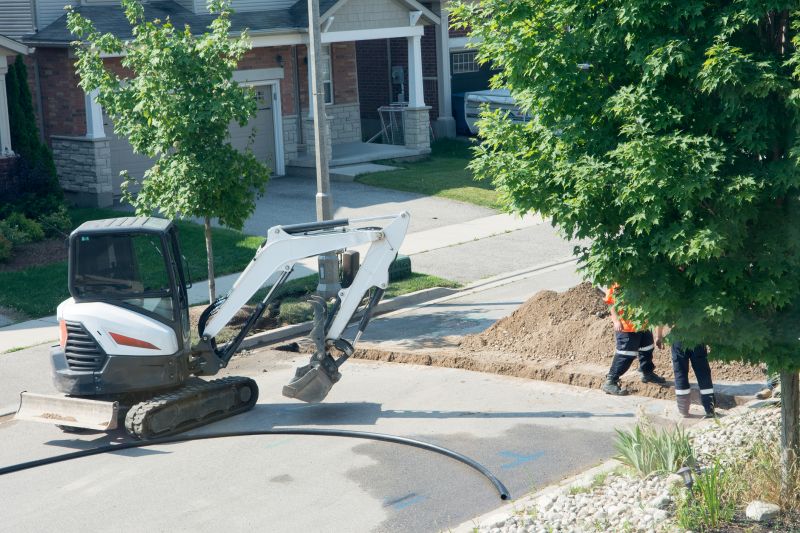
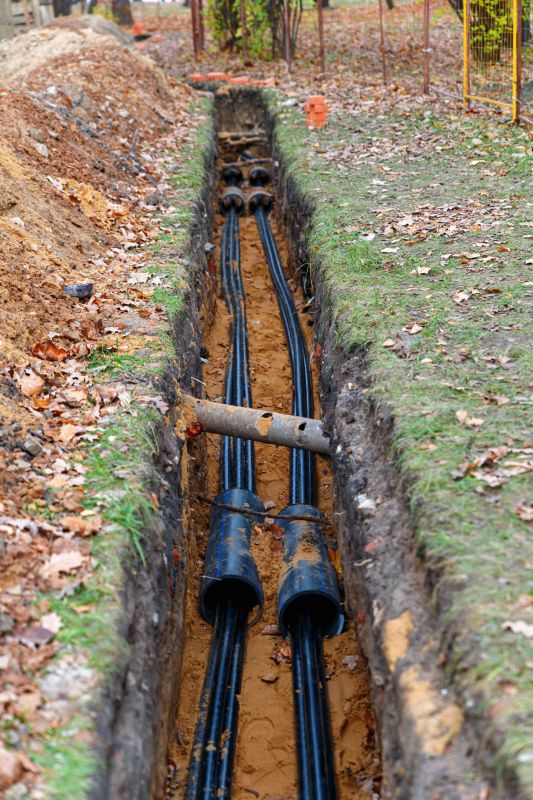
Electrical trenching services are often needed when property owners in Kitsap County, WA, are installing new outdoor lighting, preparing for a home addition, or upgrading existing electrical systems. These projects typically require careful digging to lay underground cables safely and efficiently, especially in areas where landscaping or existing structures might complicate the work. Property owners might seek out local contractors to handle trenching to ensure the job is done properly, minimizing disruptions and maintaining safety standards.
In addition, property owners may look for trenching services when setting up new electrical connections for outbuildings, fences, or outdoor power outlets. Whether installing a new generator or extending an electrical line to a detached garage, local service providers can handle the trenching process to help complete these projects smoothly. Connecting with experienced contractors in Kitsap County can make it easier to find the right solutions for these common, everyday electrical needs around the property.
What is electrical trenching used for? Electrical trenching is used to lay underground cables for electrical power, telecommunications, or data wiring between buildings or different areas on a property.
What factors influence the depth of electrical trenches? The required trench depth depends on local building codes, the type of wiring, and the intended use, ensuring protection and safety for underground electrical lines.
Are there specific considerations for trenching in residential areas? Yes, local contractors consider existing utilities, property layout, and safety regulations when planning electrical trenching in residential settings.
What types of materials are used for underground electrical conduits? Common materials include PVC, HDPE, and metal conduits, selected based on durability, safety standards, and compatibility with the wiring system.
How do local service providers ensure proper installation of electrical trenches? They follow industry best practices and local codes to properly excavate, install conduits, and backfill trenches for safe and reliable electrical wiring.
Electrical Wiring for Outdoor Projects - Local contractors can help install wiring for outdoor lighting, fountains, or landscape features.
Underground Cable Installation - Property owners planning to add new electrical outlets or upgrade existing circuits can rely on local service providers.
Foundation and Basement Wiring - When finishing a basement or remodeling a home, local pros can handle trenching for new electrical systems.
Emergency Power Solutions - For backup generators or temporary power setups, experienced contractors can trench and install necessary wiring safely.
If you are thinking about Electrical Trenching for a property in Kitsap County, WA, this guide is meant to help you understand the work, the typical project types, and how different options might fit your plans.
When you are ready, you can use the quote form on this page to share a few details about your project. From there, local pros can review the basics and respond with options that match what you have in mind.